A stairlift can be a lifeline for anyone in Washington DC who wants to move safely between floors without risking a fall. These electric devices are built to last, but like any mechanical system, they eventually need attention. Understanding the most frequent stairlift repairs in Washington DC homes and learning how to prevent them can save you stress, time, and money. This guide walks you through the typical issues that arise, simple maintenance habits that reduce breakdowns, and where to find professional help in the DC area.
Frequent Stairlift Problems in DC Households
Stairlifts in the Washington DC region experience the same wear and tear as those anywhere else, but local aging homes with narrower staircases and occasional humidity can contribute to specific issues. Many problems are electrical or battery-related, while others involve the track or moving parts. Knowing what to look for helps you catch a problem early.
Battery and Electrical Failures
Stairlifts rely on rechargeable batteries to power the chair along the rail. Over time, batteries lose their capacity. One common sign of failing stairlift batteries is slower movement or intermittent stopping while traveling in the up direction. This can be mistaken for a motor issue, but a simple battery replacement often solves the problem. Dust, loose connections, or age can also affect electrical contacts. Regularly inspecting the battery terminals and cleaning them with a dry cloth helps maintain a solid connection.
Error Codes and Electronic Module Issues
Modern stairlifts, including popular brands like Acorn and Bruno, have onboard diagnostic systems. When something goes wrong, the control panel may display an error code. For example, Acorn stairlifts display error codes that can help diagnose the fault. A troubleshooting guide is available to interpret these codes. While some codes point to simple fixes like a blocked sensor, others require a technician to reset or replace an electronic module. Ignoring error codes can lead to more serious damage.
Track Obstructions and Alignment Problems
Debris or objects placed near the stairlift track can stop the chair mid-ride. Pet hair, dropped items, or even a loose stair tread can create a blockage. In older DC rowhouses, staircases may shift slightly over time, causing the track to become misaligned. When the chair hits a subtle bump or dip, it can trigger a safety stop. Keeping the track clean and ensuring nothing sits within the travel path prevents many of these stops.
Seat and Armrest Wear
The parts you touch every day wear out fastest. The seat cushion can compress, the swivel mechanism may become stiff, and armrests can crack. These issues are not safety critical but reduce comfort and convenience. Lubricating pivot points and tightening loose bolts can extend the life of these components. If the seat no longer swivels smoothly, a technician can adjust or replace the mechanism before it binds completely.
Simple Preventive Steps for DC Homeowners
Prevention is far easier than waiting for a breakdown. Many stairlift repairs in Washington DC homes can be avoided with a few minutes of routine care each month. These steps are safe for anyone to perform and keep your lift operating reliably.
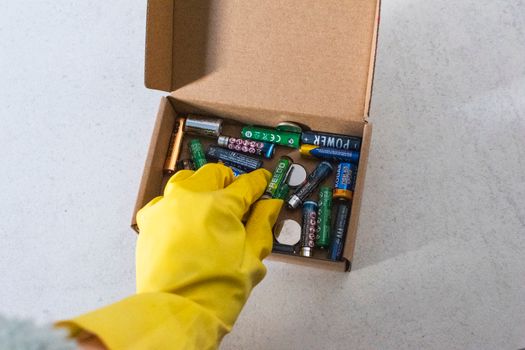
Check and Charge the Batteries Weekly
Most stairlifts have an always-on charging system when the chair is parked at the top or bottom of the stairs. Make sure the chair is properly docked so the charging contacts meet. If the lift sits unused for long periods, the battery can drain. Running the lift up and down the stairs once a week keeps the battery healthy and lets you hear or feel any developing issues. If you notice the chair moving slower than usual, especially uphill, the battery likely needs replacement.
Keep the Track and Sensors Clean
The rail that guides the chair is the backbone of the system. Dust, pet fur, and small debris can accumulate on the track and interfere with the drive mechanism. Wipe the rail monthly with a dry or slightly damp cloth. Also clean the safety sensors at the bottom and top of the stairs. These sensors detect obstacles; if dirt obscures them, the lift may refuse to move. A clean track and clear sensors prevent many unnecessary service calls.
Listen for Unusual Noises
A well-maintained stairlift runs quietly. Grinding, squeaking, or clicking sounds often signal that a gear, belt, or bearing needs attention. When you hear something new, inspect the area around the track and under the seat. Many noises come from loose screws or a dry rail. Do not lubricate the track yourself unless the manufacturer specifically recommends it and provides the correct lubricant. Overlubricating can attract dust and cause more problems. If the noise persists, schedule a professional inspection.
Professional Stairlift Repair Services in Washington DC
When preventive maintenance is not enough, qualified technicians in the Washington DC area can handle repairs quickly. Several local companies specialize in stairlift repair, and they work with the major brands found in DC homes.
Stairlift Medics provides stairlift repair in Washington DC for brands including Acorn, Bruno, Handicare, Harmar, and Sterling. They employ factory-trained technicians and stock their trucks with replacement parts, aiming to complete repairs in a single visit. Stairlift Medics also exclusively sells Bruno stairlifts, which are American-made and handcrafted, so if you own a Bruno model, their expertise aligns well.
StairliftRepair.com has served the Northern Virginia and DC Metro area for over 25 years. They service a wide range of brands: Acorn, AmeriGlide Horizon, Brooks, Bruno, Bison, Harmar, HandiCare, Precision curved, Stannah, Sterling, and ThyssenKrupp Access. Their long tenure in the region means they have likely seen the stairlift models used in DC rowhouses, condos, and single-family homes.
O’Neill Stairlifts has over 30 years of experience installing and servicing stairlifts in Maryland, DC, and Virginia. They sell, install, and service Bruno and Harmar stairlifts. Their emphasis on local, hands-on service is especially valuable for older homes where precise fitting is critical. Like Stairlift Medics, O’Neill Stairlifts recommends against buying stairlifts online without professional installation, as improper setup can lead to frequent breakdowns and safety issues.
When selecting a repair service, confirm they have experience with your specific brand. Most DC-area providers are happy to send a technician who can diagnose the problem on the spot. With factory-trained staff and well-stocked trucks, the goal is to restore your independence in one appointment.
Frequently Asked Questions
How often should stairlift batteries be replaced?
Batteries generally last 12 to 24 months depending on usage. If you notice slower movement or intermittent stopping, especially when going up, replace the battery first. Rechargeable batteries lose capacity gradually, and a fresh battery can eliminate many performance complaints.
Can I fix a stairlift error code myself?
Some error codes correspond to simple issues like a blocked sensor or a seat not fully swiveled. Consult your owner’s manual or an online troubleshooting guide specific to your brand, such as one available for Acorn stairlifts. If the code persists after checking obvious causes, call a professional to avoid damaging the electronics.
How do I find a qualified stairlift repair technician in Washington DC?
Look for companies that have served the area for many years and employ factory-trained technicians. Stairlift Medics, StairliftRepair.com, and O’Neill Stairlifts are three well-known local providers. Ask whether they stock replacement parts on their trucks to minimize the number of visits needed.
What should I do if my stairlift stops working with me on it?
Remain seated and try the emergency stop button, then attempt to restart the unit using the power switch. Most stairlifts have a manual release that allows the chair to be lowered or raised slowly without power. If you cannot get the chair to move, call your service provider. Do not attempt to force the chair off the track.
Taking care of your stairlift through regular cleaning, battery checks, and prompt attention to error codes can keep it running smoothly for years. When repairs are needed, trusted local companies in Washington DC are ready to help. With the right preventive habits and professional support, your stairlift will remain a reliable tool for aging in place safely and comfortably.